Mediterranean Diet Beginner
Kevin TonFood & Drink
2.85.00 Reviews
- Version
- 2.6.5.1
- Installs
- 10.00K
- Age Rating
- Everyone
Screenshots
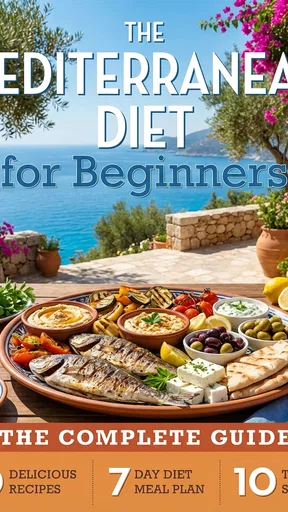
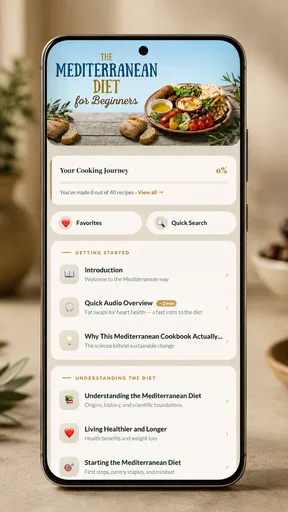
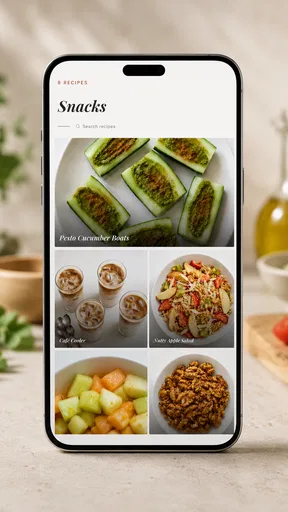
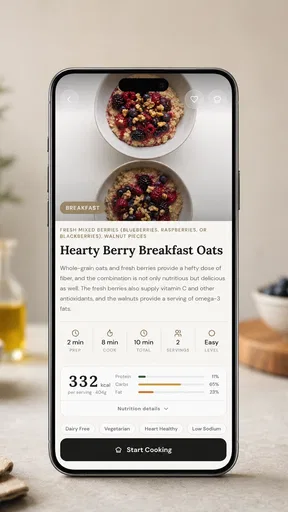
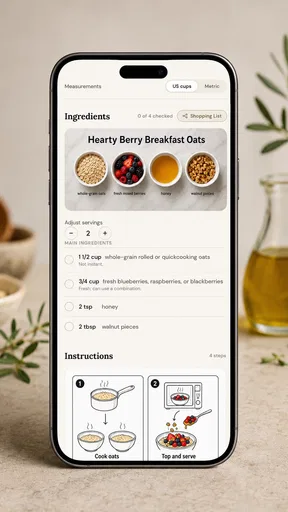
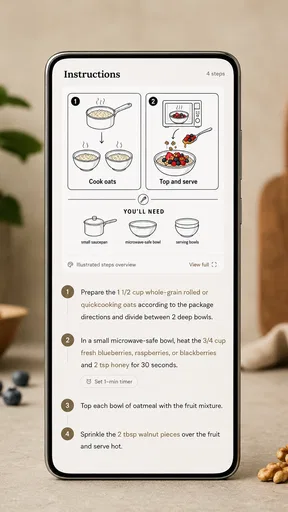
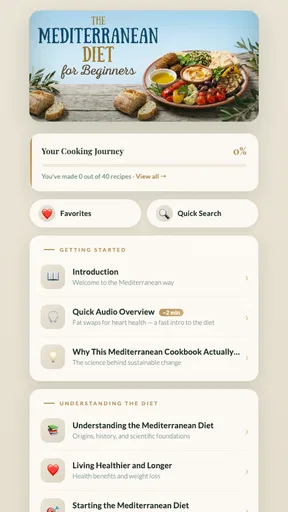
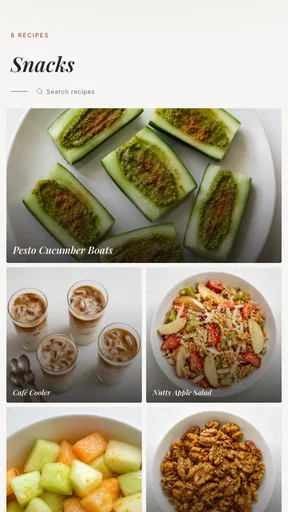
Our Review of Mediterranean Diet Beginner
 Analysis by Appyee
I approached Mediterranean Diet Beginner less like a promise of instant weight loss and more like a practical test: can a simple food app help me make better choices without asking me to hand over more personal information than necessary? That question matters because diet tools often sit close to sensitive areas of daily life, including eating habits, body goals, health concerns, and routines. This app presents itself as a Food & Drink guide focused on Mediterranean-style eating, and my overall impression is mixed but useful for the right kind of beginner.
The app is free to install, aimed at Everyone, and made by Kevin Ton. It has passed the early discovery stage with over 10 thousand installs, although its average rating is 2.8 from around ten ratings, so I would not treat its public reception as strong evidence either way. I found it more helpful as a starting point for learning what to put on a plate than as a complete diet-management system. That distinction is important before you decide whether it deserves a place on your phone.
What the app is really like to use
The main appeal is straightforward: Mediterranean eating can sound complicated when it is described through nutrition rules, regional ingredients, and long lists of “good” and “bad” foods. A beginner needs a simpler bridge between the idea and an actual meal. This app tries to provide that bridge through recipes and guidance rather than turning the experience into a demanding tracker.
I like that the concept is easy to understand. The Mediterranean pattern generally encourages vegetables, fruit, beans, grains, nuts, olive oil, and sensible portions of fish or other protein. A recipe-centered approach can make those principles feel less abstract. Instead of opening a calorie spreadsheet, I can think in terms of a lunch, a shopping trip, or a dinner I can prepare after work.
That said, the app should not be mistaken for medical advice or a personalized treatment plan. “Mediterranean” is a broad eating pattern, not a single menu that works identically for everyone. Someone managing diabetes, food allergies, kidney disease, or another condition should use professional guidance alongside any recipe app. The app’s beginner-friendly framing is useful, but it also means I would keep my expectations realistic.
The current version is 2.6.5.1, and it supports devices running Android 7.0 or later. That makes it accessible to people using older Android phones, which is a practical advantage if you do not upgrade frequently. On the other hand, the modest rating means I would install it with a little patience and judge it by whether its actual content fits my routine, rather than assuming a polished experience from the version number alone.
A sensible first session
My advice is to begin with a specific goal instead of browsing aimlessly. For example, decide that you want three weekday dinners, a more filling breakfast, or a way to replace heavily processed snacks. Then explore the recipes with that narrow purpose in mind. This turns the app from a general source of inspiration into a small planning tool.
A useful beginner workflow is to choose one recipe that uses familiar ingredients, one that introduces a new ingredient, and one that can be adapted for leftovers. That combination reduces the risk of buying a cupboard full of items you will never use. It also gives you a better test of the app than trying one attractive dish and abandoning the whole eating pattern when preparation takes too long.
I would also read the guidance before changing everything at once. A common mistake is to focus only on olive oil or a single “healthy” ingredient while ignoring portion size, variety, and the amount of processed food elsewhere in the day. The app is most valuable when it helps build a repeatable pattern, not when it encourages a short-lived list of fashionable foods.
Where the recipes can help in everyday life
Imagine arriving home tired, with no meal plan and limited time. A recipe app is useful in that moment only if it helps you make a decision quickly. Mediterranean Diet Beginner works best when I use it earlier in the day or during weekly planning, while I still have time to check ingredients and decide what can be prepared in advance. It is less useful if I expect it to solve dinner instantly without any shopping or preparation.
For a busy household, I would use a recipe as a template rather than follow it rigidly. A grain, a vegetable, a bean, and a simple dressing can often become several meals with small changes. This approach also makes the app more affordable to use because it reduces waste. Buy a bunch of vegetables that can appear in more than one dish, cook a larger batch of a staple, and reserve delicate ingredients for the first meal.
Another practical use is learning substitutions. If a recipe includes an ingredient I dislike, I would look for a replacement with a similar role: beans for another source of plant protein, a different seasonal vegetable, or a whole-grain alternative where it makes sense. The important trade-off is that substitutions can change cooking time and texture. I would not assume that every swap is nutritionally or practically identical.
For people who live alone, leftovers are especially important. A recipe that produces more food than you need can be helpful if it keeps well, but frustrating if it becomes repetitive. I would portion leftovers immediately and plan a second use, such as adding cooked vegetables to a lunch bowl or serving a remaining grain with a different topping. This is the kind of habit the app can support indirectly, even though it is not a replacement for personal meal planning.
Trust, privacy, and the moments that deserve attention
Because this is a diet-focused app, I pay attention to what I am being asked to reveal. Eating preferences can feel harmless, but information about weight goals, allergies, medical restrictions, or household habits can become sensitive very quickly. I would avoid entering personal health details unless the app clearly explains why they are needed and gives me a meaningful choice.
The safest way to approach the app is to start with the least personal use: browse recipes and general guidance first. I do not need to connect my identity to a meal idea in order to decide whether it is useful. If the app later presents an account prompt, personalization request, or permission request, I would pause and check whether declining it prevents basic browsing or merely removes an optional convenience.
I also recommend reviewing Android’s permission controls after installation. A recipe guide should earn access to anything beyond what is necessary for its visible purpose. I would not infer that a permission is harmless simply because the app is free, and I would not assume that refusing an optional permission makes the app unsafe. The right question is whether the requested access matches an action I actually want to perform.
There is another trust issue that is easy to overlook: paid extras. The app is free, but in-app purchases are listed at $9.99 per item. That means I would inspect any locked content or upgrade screen carefully before confirming a purchase. I would want to know exactly what I am receiving, whether the purchase is necessary for the recipes I want, and whether the free portion already meets my needs. A clear choice is better than tapping through a prompt because I am already hungry or in a hurry.
I would also keep account control in mind. If the app offers sign-in, I would prefer an option that does not force me to provide more information than necessary. Before creating an account, I would look for visible controls for notifications, saved content, and personal data. If I stop using the app, I would remove permissions, cancel any active purchase arrangement through the relevant store controls, and uninstall it rather than leaving an unused diet tool on my phone.
What it does well for beginners
The strongest part of this app is its approachable subject. Mediterranean eating can be intimidating when presented as a lifestyle overhaul, but recipes give the idea a concrete shape. Someone who wants to cook more at home may find it easier to begin with a dish than with a long explanation of nutrition science.
I also appreciate the possibility of using it without turning meals into a numbers game. Many diet apps push calorie counts, weight entries, streaks, or daily targets. Those tools can help some people, but they can also make eating feel like a test. A recipe-led experience is a better fit for users who want to improve food quality and cooking habits without tracking every bite.
The app may also suit a person who has recently moved away from highly processed convenience food and needs ideas that feel manageable. The key is to select recipes based on ingredients and time, not on the most impressive-looking result. A simple meal you will cook twice is more valuable than an ambitious dish that leaves you discouraged.
Its Everyone content rating makes it approachable for a broad audience, but that does not mean every recommendation is suitable for every individual. Parents, older adults, and people with dietary restrictions should still check ingredients and adapt portions. An age rating describes audience suitability; it does not replace personal health judgement.
Where I would choose another kind of app
I would look elsewhere if my main goal were precise nutritional tracking. Someone who needs carbohydrate monitoring, micronutrient records, barcode scanning, or structured medical targets will probably need a dedicated nutrition tracker or advice from a qualified professional. A recipe guide can complement that process, but it cannot reasonably replace it.
I would also choose a meal-planning app if my biggest problem were organizing a household shopping list, scaling recipes, assigning meals to specific days, or coordinating several people’s preferences. Mediterranean Diet Beginner may inspire meals, but inspiration and logistics are different jobs. A person who already knows what to cook but constantly forgets ingredients needs planning tools more than dietary education.
Users who want a social community, coaching conversations, or accountability may also find the experience limited. Those features can be motivating, but they introduce another layer of personal sharing. If an app does offer social or coaching options, I would use them only after checking what profile information becomes visible and whether participation is genuinely optional.
Finally, I would skip it if I dislike recipe browsing altogether. No app can make home cooking effortless when the real obstacle is lack of time, equipment, or interest. In that situation, a simple list of repeatable meals, a dietitian, or a prepared-food service may be a better match than another collection of recipes.
Small habits that make the app more useful
One of my favorite ways to test a food app is to keep a short note outside it for a week. I would record which recipes were easy to start, which ingredients were wasted, how long preparation actually took, and whether the meal kept me satisfied. This turns vague enthusiasm into evidence from my own routine. It also reveals whether the app fits real life rather than an idealized kitchen.
I would separate “healthy ingredient” from “healthy meal.” A dish can include vegetables and olive oil yet still be unsuitable for my needs if the serving is too large, the preparation is impractical, or it conflicts with an allergy. Before cooking, I would scan the ingredient list, identify possible substitutions, and decide how much food I genuinely need.
Another useful tactic is to build a personal shortlist instead of saving everything. Keep a few breakfasts, lunches, and dinners that match your schedule. If the app allows saving recipes, I would organize them by situation rather than by vague labels: quick weekday meal, make-ahead lunch, inexpensive pantry dish, and weekend project. That makes future browsing faster and prevents a crowded collection from becoming another source of indecision.
I would treat any weight-loss language cautiously. A Mediterranean-style pattern may support healthier choices for many people, but results depend on portions, activity, existing health conditions, and consistency. The app should be a tool for improving meals, not a reason to pursue aggressive restriction. If a recommendation makes me feel unwell or creates anxiety around eating, I would stop and seek better guidance.
My cautious verdict
Mediterranean Diet Beginner is worth considering as a free entry point for someone who wants recipe inspiration and a gentle introduction to Mediterranean-style eating. Its best role is practical: help me choose more balanced meals, become comfortable with familiar ingredients, and develop a small collection of dishes I can actually repeat.
I would not install it expecting a complete health program, precise nutrition analysis, or personalized medical direction. The 2.8 average from around ten ratings also tells me to keep the recommendation measured rather than enthusiastic. Public feedback is limited, and a low average deserves attention even when the app’s concept is appealing.
The privacy-minded approach is simple: browse before sharing, review permissions, treat account creation as optional unless it clearly serves a purpose, and examine the $9.99 purchase prompts before spending anything. Those steps preserve user control without making ordinary recipe browsing unnecessarily complicated.
My final view is that this app can be a useful companion for a curious beginner who wants food ideas rather than a strict tracking regime. I would recommend trying it with one clearly defined cooking goal and a short evaluation period. If the recipes make healthy meals easier to plan, keep using the parts that help. If the experience asks for too much personal information, hides essential content behind purchases, or does not fit your cooking reality, move on without feeling that you have failed at the diet. The best result is not a perfect menu; it is a trustworthy routine you can maintain.
Verdict
Strengths of Mediterranean Diet Beginner
- Simple meal ideas make starting the Mediterranean diet less intimidating.
- Includes nutritious ingredients commonly found in regular grocery stores.
- Encourages balanced eating rather than extreme calorie restriction.
- Helpful guidance for users unfamiliar with Mediterranean-style portions.
- Suitable for building healthier long-term eating habits.
Limitations of Mediterranean Diet Beginner
- Some recipes may require ingredients that are costly in certain regions.
- Limited personalization for allergies, medical needs, or dietary restrictions.
- Beginners may want more detailed nutritional information for each meal.
- Meal suggestions could become repetitive with frequent use.
- It is not a substitute for advice from a qualified nutrition professional.
Similar Picks in This Category
View All
Rappi: Food Delivery, Grocery
Rappi, Inc - Delivery3.5

McDonald’s: Cupons e Delivery
Arcos Dorados4.3

Swiggy: Food Instamart Dineout
Swiggy4.7

Blinkit: Groceries & more
Blinkit4.8

foodpanda: food & groceries
Foodpanda GmbH a subsidiary of Delivery Hero SE4.0

Zomato: Food Delivery & Dining
Zomato4.7
Frequently Asked Questions
What is Mediterranean Diet Beginner?
Mediterranean Diet Beginner is an introductory app designed to help users understand and follow the Mediterranean-style way of eating. It typically focuses on vegetables, fruits, legumes, whole grains, fish, olive oil, nuts, and moderate portions of other foods. The app is aimed at newcomers who want simple guidance, meal ideas, and practical habits rather than a complicated or highly restrictive diet program.
What features does Mediterranean Diet Beginner offer?
The app generally provides beginner-friendly information about Mediterranean foods, suggested meals, recipes, shopping guidance, and basic nutrition principles. Depending on the version and device, it may also include meal-planning tools, categorized food lists, progress features, or reminders. After reviewing the content, the main value is its straightforward presentation, although users should check the current store listing because features can vary between updates.
Is Mediterranean Diet Beginner suitable for weight loss?
The Mediterranean diet can support weight management when meals are balanced and overall calorie intake matches personal needs, but Mediterranean Diet Beginner should not be treated as a guaranteed weight-loss solution. Its guidance is better understood as a framework for healthier eating and sustainable habits. Results depend on food portions, activity level, consistency, and individual health factors, so expectations should remain realistic.
Is Mediterranean Diet Beginner free to download and use?
The availability of free content, paid features, advertisements, or subscriptions may depend on the app version and whether you use Android or iOS. Before downloading, review the official store page carefully for pricing, in-app purchases, and subscription conditions. Some users may be able to access basic diet information without payment, while advanced recipes, plans, or tracking tools could require an upgrade.
Should I consult a doctor before following this diet plan?
Most healthy adults can usually adopt general Mediterranean eating principles safely, but personal medical advice is still important for people with diabetes, kidney disease, food allergies, digestive conditions, pregnancy-related nutritional needs, or prescribed dietary restrictions. The app is an educational tool and does not replace a registered dietitian or physician. Consult a healthcare professional before making major dietary changes or relying on the app for treatment.
